Bed Racing, Frying Pan Tosses, and the American Towns That Refuse to Be Normal
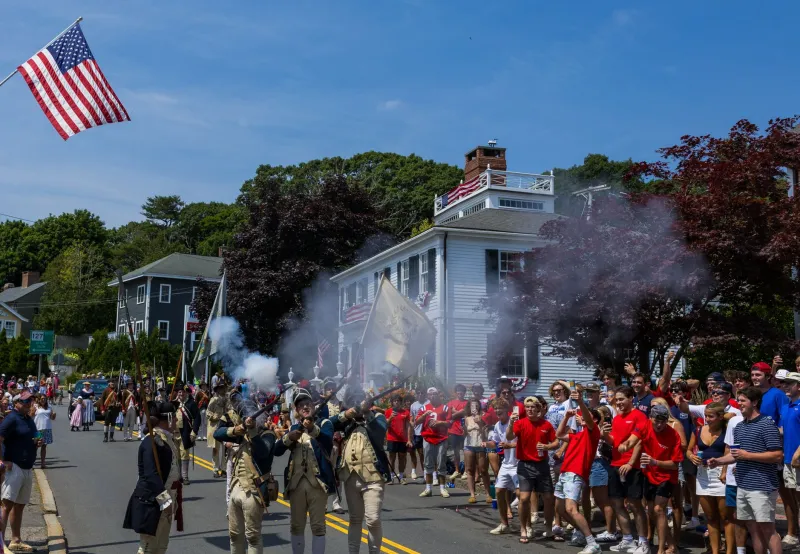
Every October, in a town you've driven through without blinking, a group of adults carefully constructs a wheeled bed, decorates it like a pirate ship, and pushes it downhill as fast as humanly possible while a teammate — the "patient" — rides on top in pajamas, clutching a bedpost for dear life.
This is bed racing. It is real. It has rules. And it is, according to the people who do it, one of the best days of the year.
Welcome to the weird, wonderful world of small-town record chasing — where the stakes are low, the passion is enormous, and the Guinness World Records database has seen things it cannot unsee.
The Anatomy of an Absurd Record
America's record-attempt economy is thriving, and the categories are gloriously unnecessary. Consider a sampling of what communities across the country have pursued in recent years:
- The largest gathering of people dressed as tacos (yes, an entire festival's worth of humans in tortilla costumes, packed into one fairground for a headcount)
- Frying pan tossing competitions, where contestants hurl cast-iron cookware for distance in a display of pure rural upper-body strength
- The most people simultaneously doing the chicken dance in one location, a feat that sounds easy until you realize the logistics of choreographing 4,000 flapping citizens
- Beds pushed down public streets at speeds that would concern an actual hospital
What unites them all? Nobody's getting rich. Nobody's getting famous. The trophy is often a plastic plaque and eternal bragging rights at the hardware store. And that, it turns out, is exactly the point.
Meet the Glory Chasers
Spend any time around record attempts and you'll notice the same species of person showing up again and again. Call them the Glory Chasers.
There's the organizer — usually someone with a laminated clipboard and the energy of a NFL special teams coordinator — who has spent eleven months securing permits, recruiting volunteers, and arguing with the chamber of commerce about liability insurance for an event where the core activity is throwing skillets.
There's the veteran competitor, a local who has held the regional frying pan record for nine years and speaks about it the way Olympic athletes speak about their sport. "It's all in the hips and the follow-through," they'll tell you, dead serious, holding cookware like a discus.
And there's the newcomer — the teenager dragged there by a parent who, six months later, is the one who won't stop practicing the taco costume assembly in the garage.
Every one of them will tell you some version of the same thing: "It's just for fun." Then they'll show you the spreadsheet.
Why Small-Town America Keeps Swinging
Here's the part that gets easy to mock and hard to actually dismiss: these events work.
A bed race or a taco-gathering world record attempt does things a Tuesday night in a small town usually can't. It gets three generations in the same place. It fills the diner the next morning with the same story told eleven different ways. It gives the local paper a headline that isn't about the water board. It creates, in other words, a shared event — which is a rarer resource than anyone wants to admit.
There's also a quiet competitive pride at play. Small towns in America have spent decades watching jobs and young people drift toward the cities, and there's something almost defiant about responding to that by declaring, in effect: fine, but we will absolutely destroy you in competitive bed pushing. If the national conversation won't come to them, they'll make their own — and it will involve deep-fried food and a headcount.
The Beautiful Pointlessness of It All
Critics — usually people who have never pushed a bed downhill in pajamas — will tell you these records are meaningless. And technically, they're right. No one's life is changed by knowing their county holds the frying pan toss record.
But sit through one of these events and something shifts. You watch a 68-year-old retired mailman get carried on shoulders after tossing a skillet 43 feet. You watch 2,000 people in taco costumes get counted by a very tired official with a clicker. You watch a town that the interstate forgot completely light up over something objectively ridiculous.
Meaningless? Maybe. But there's a strong argument that chasing absurd glory with your whole heart is one of the most American things left. We put a flag on the moon because it was hard. Some folks in the heartland put on tortilla costumes because it was hard and funnier.
Both count. Both are worth celebrating. And if your town's record attempt is coming up — Dogboff will be there, clipboard in hand, cheering for the patient in the pirate bed.