Unpaid, Overworked, and Covered in Drool: The Rise of the Pet Parent Content Manager
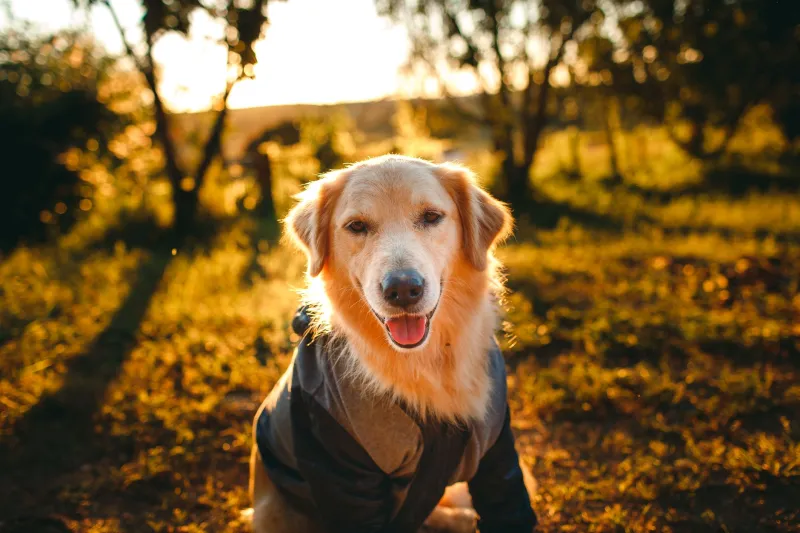
Somewhere in suburban Ohio, a golden retriever named Biscuit has 214,000 followers, a brand deal with a pet insurance company, and a content calendar maintained in Notion by a woman who also works 40 hours a week in accounting. Biscuit has never written a caption. Biscuit has never returned an email. Biscuit is, by every measurable standard, thriving.
Welcome to the zoomies economy — the sprawling, slightly unhinged ecosystem where ordinary American dog owners moonlight as unpaid content managers for clients who can't talk, can't read, and would genuinely eat the analytics dashboard if left alone with it.
The Job Nobody Applied For
It starts innocently. Your rescue mutt does one (1) mildly funny thing — maybe he's afraid of a leaf, maybe she sits like a Victorian gentleman — and you post it. Then the video does numbers. Then someone in the comments says "he needs a TikTok account." And just like that, you're on the hook.
The work is real. Talk to pet creators and you'll hear the same confession on loop: shooting schedules built around "walk content," spreadsheets tracking which poses performed best, and a camera roll that is now 97% dog and 3% everything else, including, allegedly, their children.
One pit bull mom in Austin told us she maintains a quarterly "brand alignment doc" for her 80-pound lap dog. It includes tone of voice. The tone of voice is "goofy but sincere."
The Money Question (Follow the Treats)
Here's where it gets legitimately wild: pet influencer marketing is a genuine industry. Brands pay real money for dogs with engagement. We're talking sponsored posts, affiliate links, subscription pages, and in the upper echelons, actual merchandise lines. There are dogs with hoodie drops. There are dogs with better merch deals than most indie musicians.
But the money is wildly uneven. For every dog pulling in five figures, there are thousands of pet parents grinding out daily posts for a free bag of dental chews and the deep spiritual satisfaction of a stranger in Kansas commenting "he's just a little guy."
And the dog? The dog sees none of it. Not a dime. Not a stick. The compensation package for your average canine influencer is: continued existence, occasional peanut butter, and the vague understanding that the phone pointed at them during dinner is simply part of life now.
Labor advocates would faint. The dogs, notably, do not care. Try explaining equity to a creature whose entire worldview is "ball."
The Spreadsheet Era of Dog Ownership
The most fascinating artifact of this whole economy is the administrative layer. Pet creators talk about "posting cadence." They discuss "the algorithm" with the weary reverence of sailors discussing weather. They A/B test thumbnails. One dachshund account reportedly has a content pillar strategy: Mondays are "small dog big feelings," Fridays are "chaos compilation."
This is what happens when you give Americans a hobby and Wi-Fi. We cannot simply enjoy a thing. We must optimize it, brand it, and build a Notion dashboard for it. Your grandfather had a dog that slept on the porch. You have a dog with a media kit.
Is Any of This Good for the Dog?
Honestly? Mostly yes, with caveats. The good ones are having a blast — extra walks, extra play, extra attention, all disguised as "content days." The zoomies are filmed, sure, but the zoomies were happening anyway.
The caveat is the small minority of owners who push past the dog's comfort for the clip — the stressed-out husky forced into costumes, the "reactive dog" whose meltdowns become engagement bait. The animal welfare folks have noticed, and honestly, so have the rest of us. A dog who wants to be there is funny. A dog who doesn't is just sad content with better lighting.
The Bottom Line
The zoomies economy is peak America: we took unconditional love, added KPIs, and called it a side hustle. The dogs remain blissfully unaware, which might be the healthiest business arrangement in the country. The humans do the work. The dogs do the zoomies. Everyone eats — literally, in the dog's case, constantly and off the counter.
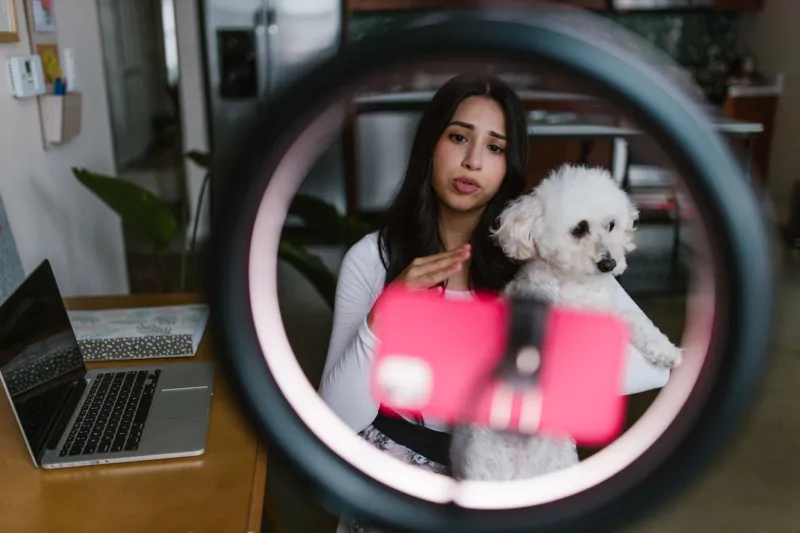
Biscuit's manager, for the record, wouldn't trade it for anything. "He's my best friend and my hardest client," she says. "He bit the ring light last week."
The ring light has not been replaced. It's in the budget for Q3.